How to Select the Right Food Packaging Boxes for Your Retail Business
Choosing the ideal food packaging boxes is vital for every retail business. The decision-making process involves multiple factors, including material choices, visual design, and sustainability. Each aspect contributes meaningfully in preserving product quality and appealing to consumers. Retail businesses need to evaluate how these elements align with their brand identity and market expectations. Recognizing these nuances can prove decisive in overall success. Which key factors should companies prioritize to secure ideal packaging outcomes?
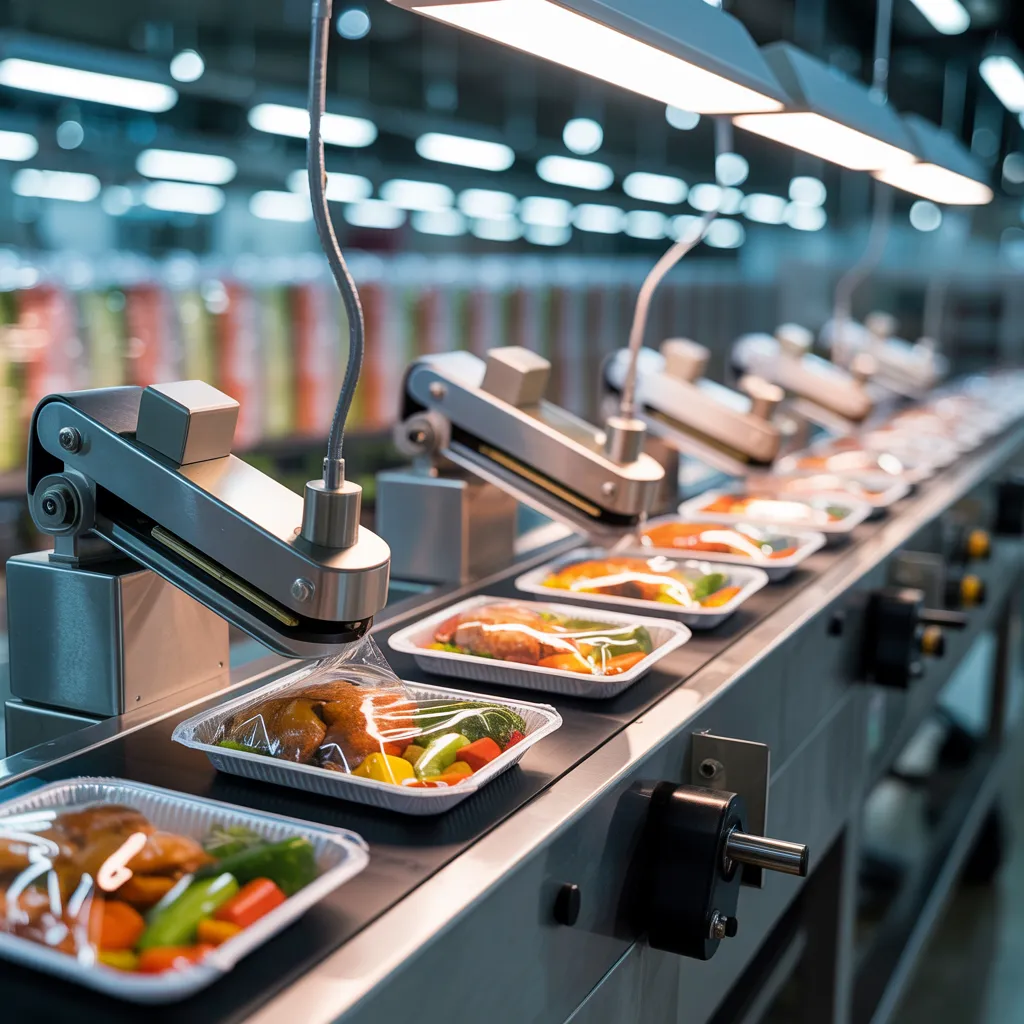
How Food Packaging Impacts Retail Success
Food packaging plays an important role in the performance of retail operations by influencing consumer perceptions and purchasing decisions. Effective packaging serves as a quiet marketing tool, delivering vital product information while building a compelling visual impression. It stands out among competing products on store shelves and can differentiate a product from competitors.
Beyond this, packaging offers consumers confidence in product quality and safety, which is fundamental in the food industry. Informative labeling, attractive designs, and environmentally responsible materials can boost brand loyalty and drive repeat purchases. Additionally, strategic packaging can communicate the brand's vision and message, fostering a more profound connection with the audience.
With the rise of e-commerce, packaging also plays an important role in ensuring that products arrive intact and retain their aesthetic quality, affecting consumer reviews and overall satisfaction. At its core, deliberate packaging serves as an important driver of increasing revenue and supporting sustained retail achievement.
Essential Materials for Food Packaging
Choosing the correct substances for food packaging is crucial for upholding product integrity and ensuring safety. Numerous materials perform distinct purposes, impacting both preservation and user experience. Commonly used options include paperboard, which provides durability and recyclability, rendering it an eco-friendly choice. Plastic, particularly PET and HDPE, delivers excellent barrier properties, protecting food from moisture and contamination. Glass containers are valued for their inert nature, protecting flavor and preventing chemical interactions.
Metal-based packaging, including aluminium cans, proves excellent for maximizing shelf life, especially for perishable products. Additionally, biodegradable and compostable materials are related resource growing in demand, reinforcing sustainability goals. Every material's availability, cost, and compatibility with various food products needs to be thoroughly assessed. Ultimately, choosing the appropriate packaging material not only safeguards food quality but also demonstrates an organization's focus on safety and environmental responsibility.
How to Create Packaging That Draws in Customers
Effective packaging design plays a pivotal role in drawing in customers and boosting brand recognition. In order to reach this objective, businesses must focus on several key elements. First, color selection is essential; bold colors can stir emotions and attract attention, while more subdued tones can convey sophistication. Furthermore, typography should be clear and legible, making certain that brand identities and product details can be quickly understood.
Featuring creative forms or frameworks can also set a product apart on crowded shelves, crafting a lasting impact for consumers. Moreover, imagery that reflects the product's quality or origin can additionally attract buyers. Ultimately, incorporating a storytelling element or brand narrative on the packaging fosters a deeper connection with the target audience, promoting interaction and brand devotion. By strategically uniting these features, businesses can create packaging that not only attracts attention but also reinforces their brand identity.
Green Practices in Food Packaging: Understanding Their Significance
As more consumers place greater emphasis on environmental responsibility, the significance of sustainable practices in food packaging cannot be overstated. Retail companies are acknowledging the necessity of adopting eco-friendly materials that help reduce waste and lower their carbon footprint. Sustainable packaging options, such as biodegradable, compostable, or recyclable materials, not only appeal to environmentally conscious consumers but also enhance brand reputation.
Adopting eco-friendly measures promotes transparency and accountability, allowing organizations to align with the values of their desired customer base. In addition, industry regulations are moving toward stricter ecological standards, rendering it necessary for companies to integrate environmentally responsible packaging options.
Committing to sustainable practices can generate long-term economic advantages, as businesses may reduce disposal costs and enhance overall performance. In the end, integrating green solutions for food packaging is not just a responsible obligation; it is a calculated decision that places businesses advantageously in an increasingly eco-aware marketplace.
Achieving the Ideal Balance Between Cost and Quality in Packaging
In the retail food industry, striking a balance between cost and quality in packaging is essential for success. Enterprises must thoughtfully consider material alternatives to guarantee durability while also considering cost-effective design strategies that draw in buyers. This harmony can considerably affect both profit margins and brand image.
Examining Material Alternatives
Selecting the right choice for food storage boxes requires a careful assessment of both financial and quality factors. Various choices, such as cardboard, plastic, and biodegradable options, present individual benefits and limitations. Paperboard is frequently cost-effective and recyclable, making it a common option among businesses. However, its sturdiness may not always address the demands of certain perishables. Plastic packaging offers outstanding protection against moisture and can prolong shelf life, but its ecological footprint creates concerns. Biodegradable materials, although generally costlier, support green initiatives and appeal to eco-conscious consumers. In the end, the decision-making process should balance these factors, ensuring the selected material preserves the goods while also catering to budget constraints and brand values.
economical Design Solutions
Striking a harmony between expenses and standards in food packaging design demands careful planning and innovative thinking. Retailers should look into using uniform packaging dimensions to lower manufacturing expenses while maximizing material efficiency. Employing simple yet eye-catching designs can improve brand awareness without incurring high expenses. Furthermore, choosing flexible materials allows for multiple packaging applications, minimizing waste and maximizing resource utilization. Collaborating with suppliers to consider wholesale purchasing possibilities can further lower costs. Lastly, integrating environmentally responsible methods, such as sustainable or decomposable materials, not only attracts eco-aware customers but can also generate enduring cost reductions. By implementing these cost-effective strategies, businesses can attain packaging solutions that satisfy quality standards without exceeding budgets.
Assessing Packaging Choices: Essential Questions to Ask
How should a retail business go about choosing the most suitable food packaging boxes? Assessing packaging choices involves thoughtful reflection on a number of important questions. To begin, businesses must evaluate whether the material is appropriate for the specific food product being packaged. Can it ensure food safety requirements are met while keeping the contents fresh? Next, they must consider the design—does it align with the brand identity while also being functional for customers?
Price is a further essential factor. Will the business be able to preserve quality while keeping costs in check? Additionally, businesses should evaluate the packaging's eco-friendliness. Can sustainable choices be found that lessen the impact on the environment?
Ultimately، storage and transportation logistics cannot be disregarded. Is the packaging designed to withstand storage and transportation without being damaged? Through examining these considerations, retail businesses can arrive at educated conclusions that boost product appeal and secure customer contentment.
Questions Our Clients Often Ask
What Are the Key Food Packaging Regulations You Should Be Aware Of?
Frequent food packaging requirements cover adherence to safety standards, labeling guidelines, material safety, and environmental directives. In addition, businesses are required to ensure that packaging prevents contamination and sustains product integrity over the course of its shelf life.
What Are the Ways to Test Packaging Durability for My Products?
To evaluate packaging durability, one must carry out drop tests, compression tests, and moisture resistance evaluations. Observing how packaging withstands various environmental conditions and handling will offer valuable information regarding its overall durability and dependability for protecting products.
Am I Able to Customize Packaging for Seasonal Promotions?
Absolutely, custom packaging is available for holiday campaigns. Organizations frequently create exclusive designs, colors, and finishes that complement the seasonal theme, elevating overall appeal while successfully delivering the marketing message to draw in customers during festive periods.
What Are the Best Practices for Packaging Food for Delivery?
Successful food packaging for delivery requires utilizing durable, insulated materials to preserve temperature, providing leak-proof construction, and including clear labels for contents and handling directions. Moreover, environmentally conscious options boost customer appeal and ecological responsibility.
How Do I Handle Packaging Waste in My Business?
To handle packaging waste effectively, businesses should implement recycling programs, adopt biodegradable packaging options, and invite customers to recycle their packaging. Regular audits can also identify waste reduction opportunities, fostering a more sustainable approach to operations.