Creating the Ideal Tailored Vegetable Boxes: A Methodical Approach
Creating specialized fruit and vegetable boxes requires a calculated approach. Professionals must evaluate sustainability, practicality, and aesthetics. Choosing the appropriate materials is essential for maintaining freshness and promoting eco-friendly methods. Additionally, size and shape can significantly impact ease of use and shipping effectiveness. Effective graphics enhance brand recognition, while thorough evaluation ensures longevity. Comprehending these components will reveal important insights into creating exceptional packaging designs that connect with customers. What follows next is critical to achieving those goals.
Selecting the Appropriate Materials for Custom Produce Boxes
When selecting materials for custom produce boxes, it is vital to evaluate both functionality and sustainability. The selection see the full story of material substantially impacts the box's wear resistance, weight, and ability to protect the contents. Common materials include corrugated cardboard, which offers strength and is recyclable, making it a favored choice for eco-conscious businesses. Biodegradable options, such as molded pulp or plant-based plastics, also correspond with eco-conscious practices while providing adequate protection for delicate produce.
Furthermore, water repellency is crucial for maintaining freshness, prompting some producers to explore treated materials or advanced protective layers. The aesthetic appeal of the box should not be overlooked, as branding and visual presentation can influence consumer perception. Ultimately, the appropriate choice should find equilibrium between protecting the produce, appealing to customers, and adhering to environmental standards, guaranteeing that practicality and eco-consciousness are emphasized in the design process.
How to Determine Size and Shape for Functionality?
When determining the form and dimensions of custom produce boxes, thorough evaluation of produce measurements is essential for proper storage. Additionally, considerations for movement and transportation can affect the box design, ensuring ease of movement. Maximizing shelf space usage further enhances functionality, allowing for effective presentation and organization.
Review Produce Dimensions With Care
Assessing the suitable size and shape for produce containers is essential for workflow efficiency. Thorough measurement of produce dimensions is indispensable, as it validates that items fit snugly without surplus room that could lead to damage during logistics and storage. Bespoke boxes need to accommodate various shapes, from soft-skinned fruits to heavy vegetables, while maintaining durability. Furthermore, the depth and height of the boxes should enable organized stacking and inventory management, optimizing space in storage facilities. A well-designed box not only protects the produce but also enhances consumer attraction for consumers. To sum up, measured analysis of dimensions assists in minimizing losses and advancing overall user experience in the product supply chain.
Think About Handling and Transport
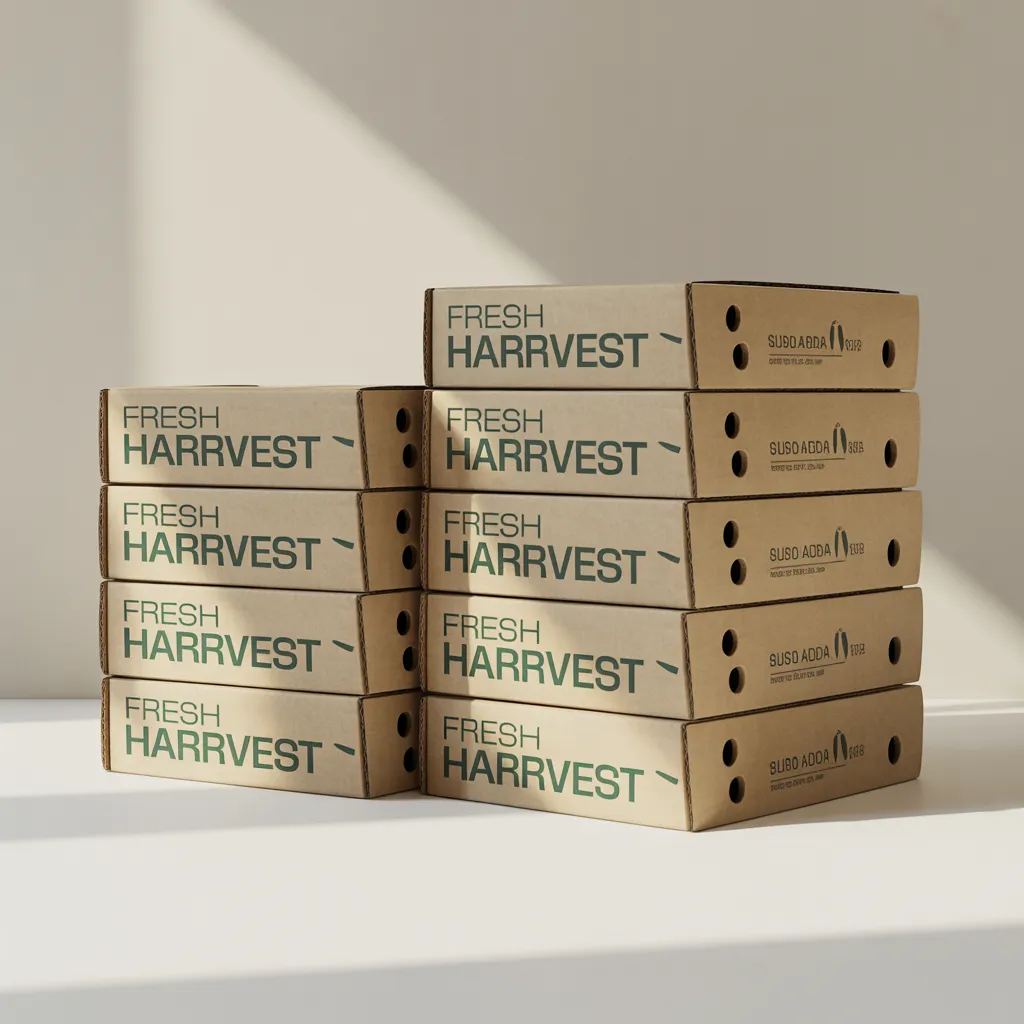
Shipping and handling factors play a important role in deciding the proper size and shape of specialized produce boxes. The measurements must accommodate the produce without excessive space, which could result in shifting and damage during transit. Smaller, compact boxes assist with easier handling, while bigger containers may be needed for bulkier products. Furthermore, proper design is vital; handles or openings should be deliberately positioned to allow for comfortable lifting and transporting. The shape of the box also affects stacking and balance, ensuring that products stay safe. Ultimately, thorough evaluation of such aspects boosts the efficiency of transport, cuts down product loss, and upholds the general soundness of the produce from agricultural setting until consumer.
Improve Retail Space Management
Effective shelf space usage copyrights upon establishing the fitting size and shape of purpose-built storage containers. Developers should take into account the layout specifications of the storage shelves as well as the types of produce being positioned. Standard-shaped boxes often solidify space efficiency, permitting for smoother arrangement and stacking. Alternatively speaking, irregular designs can heighten aesthetic quality but may lead towards wasted space if not thoroughly considered.
It's necessary to examine the stock circulation rate; briskly-selling products might benefit with smaller, conveniently positioned boxes. Likewise, integrating customizable or modular designs can facilitate varying dimensions of produce while maximizing storage layout. By highlighting practicality with visual appeal, firms can build a functional and visually compelling presentation that elevates both accessibility and item visibility.
How to Design Visuals That Grab Interest?
Striking visuals can convert a straightforward custom produce box into a visual masterpiece that captures focus. To achieve this, artists should start by choosing a color scheme that reflects the crispness and vibrancy of the produce. Bold, attention-grabbing colors can trigger emotions of freshness and vitality, pushing consumers to take a closer look.
Bold typefaces is also essential; readable typefaces can effectively communicate essential information while enhancing aesthetic charm. Additionally, leveraging high-quality images of the merchandise can create an immediate connection, showcasing the item's superiority and enticing prospective clients.
In addition, incorporating distinctive visuals and patterns can assist in distinguishing the brand in a saturated market. Consistency in visual aspects, such as logos and taglines, reinforces brand identity. Ultimately, a mixture of artistic vision and straightforwardness in graphic design can substantially improve the influence of custom produce boxes, making them stand out on shelves.
Sustainable Practices for Custom Produce Box Packaging
A mounting count of firms are taking up environmentally responsible standards for custom produce box packaging, recognizing its importance in today's environmentally conscious market. These practices often incorporate the use of biodegradable materials, such as recycled paper and plant-based plastics, which minimize environmental impact. Companies are also focusing on sustainable sourcing, verifying that materials are obtained from responsibly managed forests or suppliers who prioritize environmental stewardship.
Additionally, many brands are choosing simple layouts that reduce waste while still effectively showcasing their products. This strategy not only appeals to environmentally aware consumers but also aids in cutting down production costs. Moreover, businesses are increasingly adopting streamlined manufacturing processes that limit energy consumption and waste generation. By incorporating these eco-friendly practices, companies not only improve their brand image but also contribute positively to the planet, matching their operations with a sustainable future.
Inspect Your Custom Produce Box Structure
Reviewing the design of bespoke vegetable packaging is an significant step in confirming they meet both aesthetic and performance-based standards. This process usually involves examining components such as robustness, size, and practical use. First, prototypes need to be developed to inspect the package's overall soundness, making sure it is able to handle shipment and preservation without compromising the produce.
Subsequently, functional tests can be initiated to establish how conveniently the boxes can be pried open, shut, and stacked. Remarks from future users can be vital in this step, communicating insights into the box's practical value.
Moreover, the design's visual appeal should be tested through focus group discussions or customer surveys, determining consumer reactions to branding elements, hues, and complete visual presentation.
Ultimately, extensive testing enables designers to improve the box, guaranteeing it not only appeals to customers but also properly safeguards and showcases the produce within, maintaining the right balance between form and function.
Advertising Your Custom Produce Boxes Effectively
Effective advertising of personalized produce boxes calls for a well-planned strategy that highlights their distinctive advantages and value. Businesses should focus on identifying their target audience, whether they are local farms, grocery stores, or individual consumers. Utilizing social media platforms can boost brand awareness, displaying the boxes' design and practicality through compelling visuals and storytelling.
Furthermore, teaming up with community leaders and farm operators can boost reputation and extend reach. Presenting promotions or discounts during seasonal peaks can pull in initial customers and stimulate repeat business.
Moreover, stressing environmental consciousness and green initiatives in marketing materials can appeal to environmentally conscious consumers. Supplying thorough details about the composition of materials and the benefits of custom packaging can better position the item in an increasingly competitive landscape.
Ultimately, a comprehensive marketing strategy that blends web-based and local efforts will effectively publicize custom produce boxes, appealing to a diverse clientele and driving sales.
Popular Inquiries Asked Often
What Are the Charges Related to Custom Produce Box Development?
Charges concerning custom produce box design contain materials, print production, work hours, and shipping. Also, design services and minimum order quantities can shape overall expenses, creating different pricing structures based on individual specifications and manufacturing scale.
What Time frame Is Needed to Generate Made-to-order Boxes?
The manufacturing of custom boxes generally takes between two to six weeks. Factors affecting this timeline include intricacy of design, availability of materials, and production capacity, all of which may impact delivery schedules and turnaround periods.
Can I Order a Small Amount of Personalized Produce Boxes?
Yes, limited amounts of bespoke produce containers can typically be ordered. Many providers offer baseline order amounts, enabling organizations or people to procure tailored packaging solutions without having to dedicate to significant quantities from the beginning.
What Common Pitfalls Should You Steer Clear Of When Creating Custom Boxes?
Common mistakes in custom box creation include neglecting functionality, ignoring brand consistency, undervaluing material quality, not considering target audience preferences, and disregarding environmental impact. Each aspect is crucial for successful packaging and customer satisfaction.
What Actions Should I Take to Ensure My Boxes Are Safe for Food?
To ensure boxes are safe for food, one must choose materials approved for food contact, avoid dangerous inks and adhesives, maintain cleanliness during production, and frequently check for compliance with health regulations and safety standards.